Global Solidarity
Solidarity “is the firm and persevering determination to commit oneself to the common good of all and of each individual, because we are all really responsible for all.” Compendium of the Social Doctrine of the Church, #193
 Explore a rich collection of resources that bring the principle of global solidarity in Catholic Social Teaching to life. Grounded in the Gospel call to love our neighbors as ourselves, these materials inspire reflection, learning, and action toward building a world rooted in justice, compassion, and unity.
Education for Justice and Global Solidarity:
- Reflections and Prayers: Deepen your understanding of global solidarity through faith-based meditations and spiritual exercises.
- Educational Resources: Lesson plans, activities, and discussion guides to engage students and communities in understanding solidarity and its practical implications.
- Multimedia Content: Videos, stories, and graphics that highlight real-world examples of solidarity and its transformative impact.
- Advocacy Tools: Resources to support efforts for global justice, human dignity, and partnership with marginalized communities.
These resources provide a profound exploration of solidarity as a call to action, emphasizing our shared responsibility to support one another across borders, cultures, and socio-economic divides. Whether for classroom use, parish discussions, or personal enrichment, they empower individuals to live out the Church’s vision of a unified human family.

As part of our Journey through Africa, this unit focuses on West Africa and includes a case study on oil production in Nigeria and a role-playing activity on this situation. Fact sheets, interactive...
This 3-page resource explains the history of the conflict between India and Pakistan over Kashmir, the current situation, and details of nuclear weapons build-up at the expense of the humanitarian...
This is one of six case studies that focuses on justice issues that impact children around the world. This case study focuses on children and hunger in Eritrea. It can be used during Lent along with...
This is one of six case studies that focuses on justice issues that impact children around the world. This case study focuses on children, trade and child labor in Nepal.
This is one of six case studies that focuses on justice issues that impact children around the world. This case study focuses on children and sex trafficking in the Philippines. It can be used during...
This is one of six case studies that focuses on justice issues that impact children around the world. This case study focuses on children and gender discrimination in India. It can be used during...
This two-page fact sheet is on the poverty in the Tsunami-impacted countries and how poor countries are effected by natural disasters.
The Option for the Poor is central principle of the Church's social teaching and relevant in disasters such as the tsunami in South East Asia. This unit consists of fact sheets on the poverty and...
Providing assistance and development aid to poor countries has long been a concern of the Church. This two-page fact sheet defines types of short-term and long-term aid to poor countries and explains...
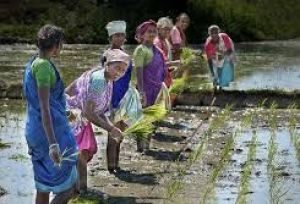
Prejudice against migrants and concern for their welfare is a major concern for the Church. Use this resource to take a closer look at how our faith calls us to respond with compassion, solidarity,...
This Food for Thought explores why hunger and poverty in so prevalent in the African continent and gives basic recommendations for food security for Africa.
 https://educationforjustice.org/wp-content/uploads/2018/01/Scale_2.Outmarket-100x100.jpg
100
100
Christopher Kerr
https://educationforjustice.org/wp-content/uploads/2022/04/efj-680x312-transparent.png
Christopher Kerr2004-11-22 05:00:002019-04-26 13:40:11The Social Concerns of the Church (Sollicitudo Rei Socialis)
https://educationforjustice.org/wp-content/uploads/2018/01/Scale_2.Outmarket-100x100.jpg
100
100
Christopher Kerr
https://educationforjustice.org/wp-content/uploads/2022/04/efj-680x312-transparent.png
Christopher Kerr2004-11-22 05:00:002019-04-26 13:40:11The Social Concerns of the Church (Sollicitudo Rei Socialis)